Delivering actionable flood and drainage solutions, so you can get your site approved and built
 Reduced Risk
Save Time
Regulator Approved
Reduced Risk
Save Time
Regulator Approved Flood and drainage management is a core requirement for developers and planning consultants who need to demonstrate that their sites are safe, sustainable, and compliant with local and national policy.
If flood risk or surface water management isn’t properly addressed at the right stage, developments can face objections from the Environment Agency (EA) or Lead Local Flood Authority (LLFA) or even become unviable to construct.
Managing flood and drainage issues early helps ensure your development is safe, sustainable, and compliant with planning policy.
It reduces risk, improves design confidence, and protects long-term site performance.
Flood and drainage management is the process of assessing how water interacts with your development — from rainfall and runoff to infiltration, groundwater, and surface flow.
It combines Flood Risk Assessments (FRAs), Drainage Strategies, and Sustainable Drainage (SuDS) Design to provide a complete picture of your site’s water environment.
This integrated approach enables your design team to:
Understand potential flood hazards
Define suitable drainage layouts and outfalls
Optimise site levels and storage to mitigate flood risk
Demonstrate full compliance with the National Planning Policy Framework (NPPF), CIRIA C753 SuDS Manual, and LLFA policy
Each site is unique meaning the level of detail required will depend on your project scale, location, and planning stage.
A Flood Risk Assessment evaluates how flooding could affect your proposed or existing development and ensures the site remains safe for its intended use.
It considers all relevant flood sources — fluvial, pluvial, tidal, and groundwater — and identifies appropriate mitigation measures.
An FRA may be required where:
A development is located in Flood Zone 2 or 3, or
The site exceeds 1 hectare within Flood Zone 1, or
There is a recorded flood history or surface water concern.
Our reports are prepared in accordance with the NPPF, EA Standing Advice, and local LLFA requirements, providing a clear and regulator-ready statement of flood risk and mitigation.
Learn more about Flood Risk Assessments
A Drainage Strategy defines how surface water will be managed, attenuated, and discharged from a development safely and sustainably.
It forms the foundation of surface water design, identifying suitable outfalls and demonstrating that runoff will not increase flood risk elsewhere.
Each Drainage Strategy is tailored to the site’s conditions, considering soil permeability, topography, groundwater, and nearby drainage infrastructure.
We develop clear, evidence-based strategies that support planning submissions and enable confident, efficient design development.
Our work aligns with the National Planning Policy Framework (NPPF), LLFA policy, and CIRIA C753 SuDS Manual.
Learn more about Drainage Strategies
A SuDS Design translates drainage principles into practical, sustainable solutions that mimic natural drainage processes.
SuDS features such as swales, permeable paving, soakaways, and attenuation basins — slow and treat surface water runoff while enhancing site ecology and amenity value.
Our team undertakes infiltration testing (BRE 365), hydraulic modelling, and design calculations to produce regulator-compliant SuDS designs that meet both planning and construction requirements.
We ensure every SuDS scheme is efficient, maintainable, and fully integrated with your layout, landscape, and geotechnical constraints.
Learn more about SuDS Design
Flood Risk Assessments, Drainage Strategies, and SuDS Designs are often interlinked, but not every project requires all three.
For example:
A Flood Risk Assessment may be needed to discharge a planning condition.
A Drainage Strategy might support a full application where outfall location or discharge rates must be confirmed.
A SuDS Design may follow once the drainage principles are approved, providing the detailed layout for construction.
Our consultants understand how to scale and sequence these inputs to suit each project ensuring your application moves forward without unnecessary delay.




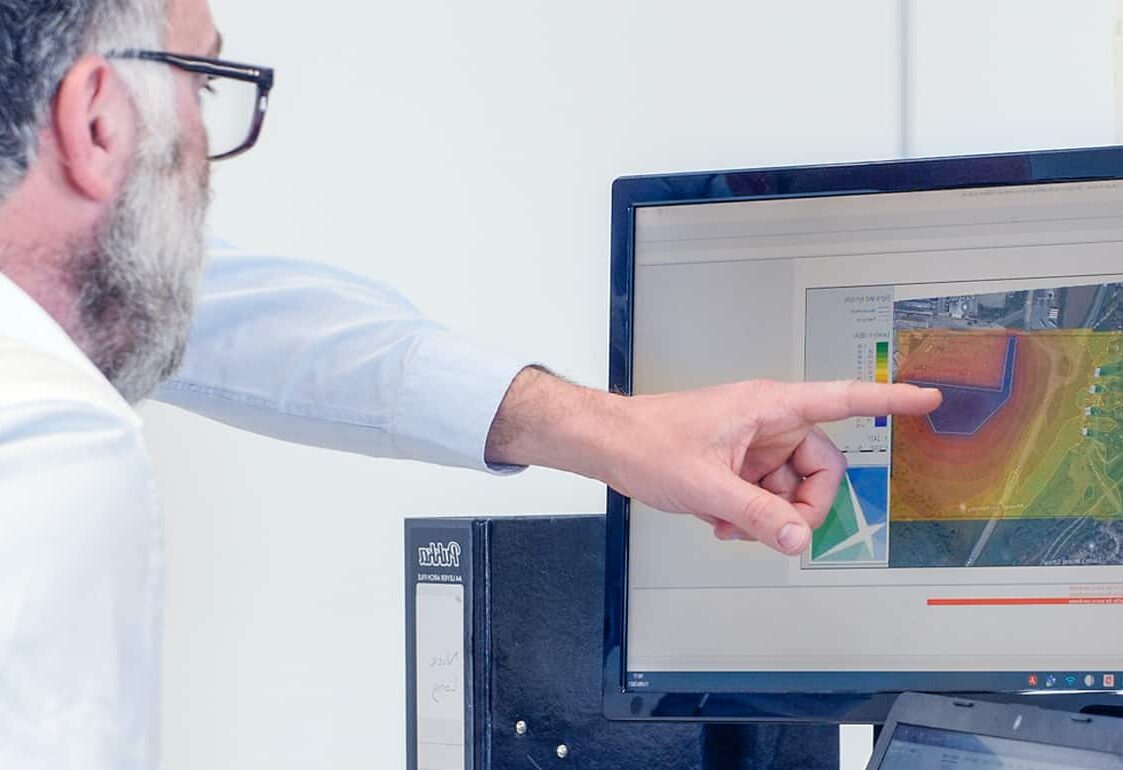
A Flood Risk Assessment (FRA) evaluates how flooding could affect your proposed or existing development and ensures the site remains safe for its intended use. It identifies flood sources such as rivers, surface water, groundwater, and tides and outlines suitable mitigation measures to satisfy planning policy.
FRAs are typically required for developments within Flood Zones 2 or 3, or for larger sites in Zone 1. Each assessment is prepared in line with the National Planning Policy Framework (NPPF) and Environment Agency Standing Advice, providing a clear and regulator-ready statement of flood risk and mitigation.
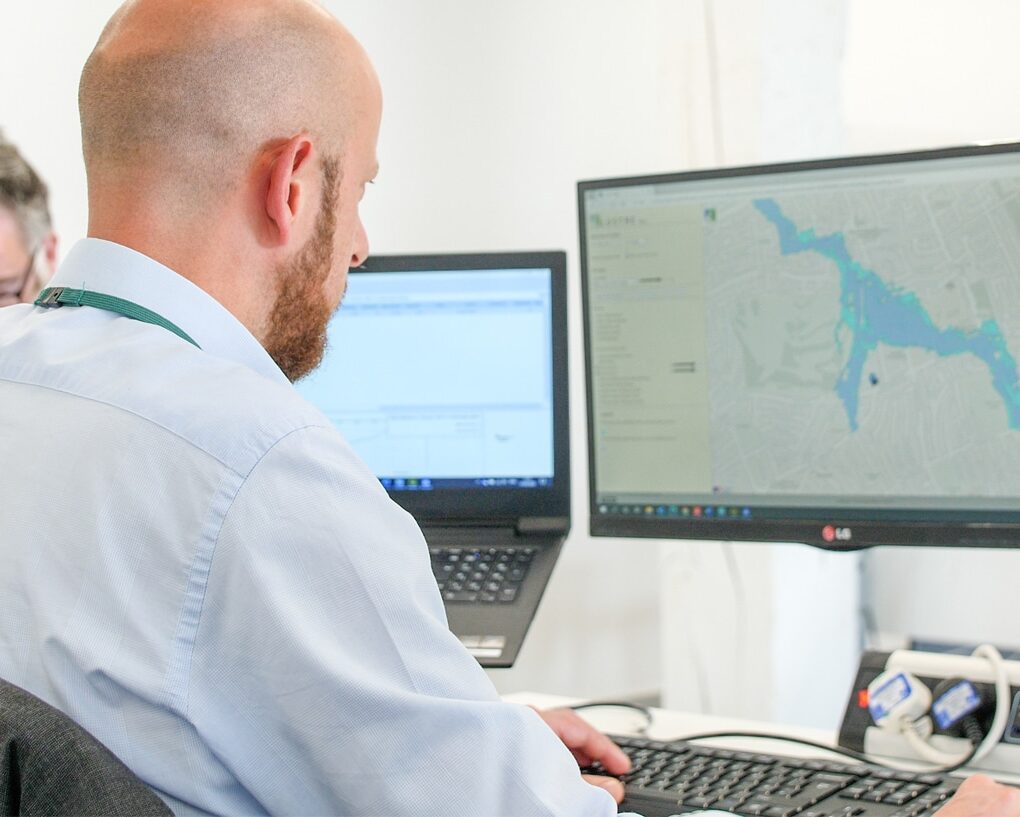
A Drainage Strategy sets out how surface water will be managed, stored, and discharged from a site safely and sustainably. Using infiltration data, catchment analysis, and outfall options, it ensures your drainage approach meets the expectations of the Lead Local Flood Authority (LLFA) and CIRIA C753 SuDS Manual.
Our strategies are concise, evidence-based, and tailored to your site conditions giving planners confidence that surface water runoff will be controlled without increasing flood risk elsewhere.
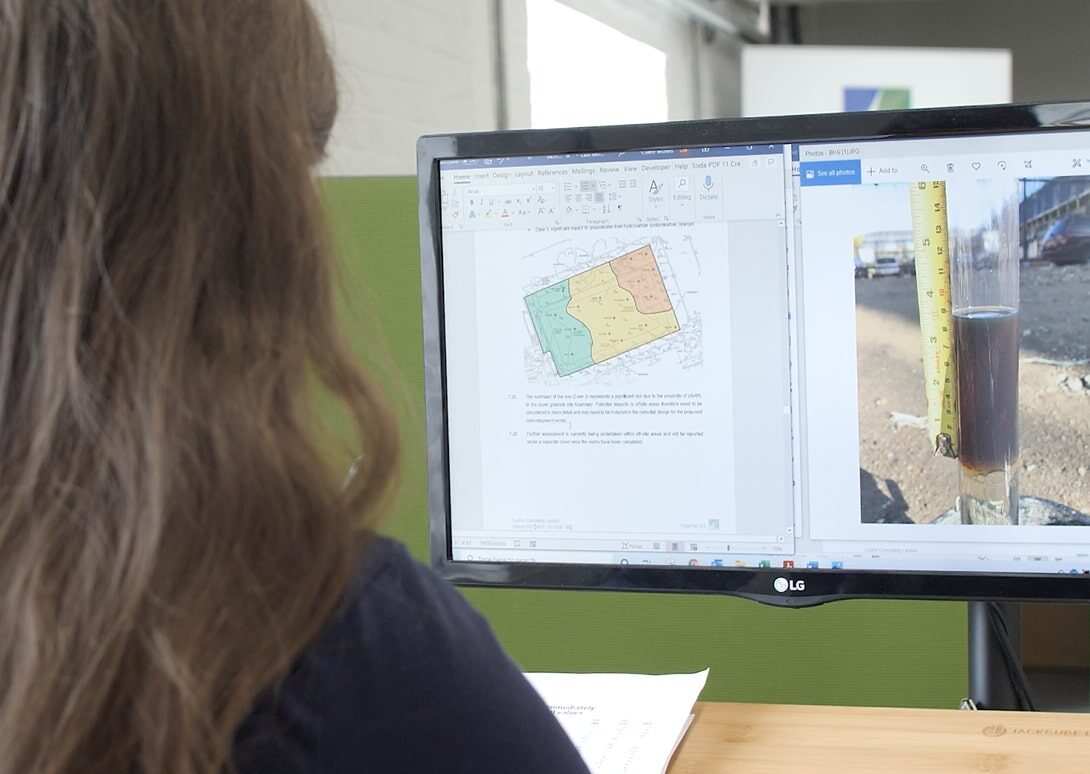
A SuDS Design provides a detailed, sustainable approach to surface water management. By combining infiltration testing (BRE 365), hydraulic modelling, and integrated landscape features, we design practical systems that mimic natural drainage processes.
Our SuDS solutions improve water quality, reduce runoff, and enhance biodiversity ensuring your development meets LLFA, NPPF, and planning policy requirements while remaining efficient and cost-effective to maintain.

Soakaway testing, also known as infiltration testing, is used to determine how quickly water can drain into the ground. Conducted in accordance with BRE Digest 365, these tests establish the infiltration rate of the soil and confirm whether soakaways or other infiltration drainage systems are suitable for your site.
Reliable infiltration data is essential when designing Sustainable Drainage Systems (SuDS) and preparing drainage strategies for planning applications. Our engineers carry out on-site soakaway tests and provide clear reports that support drainage design, planning submissions, and discussions with Local Planning Authorities and Lead Local Flood Authorities.
Your specialist Environmental Consultant is part of a dedicated team of Chartered professionals who have been successfully gaining regulatory approval for Clients across the UK, ensuring that their sites are safe and compliant places to live and work.
Our Assessments and Site Investigations are expertly prepared by experienced consultants who are committed to providing you with a technically robust report that is tailored to meet your needs and gain approval.
 Reduce your risk, by gaining valuable insights
Time and cost saving, when instructed on multiple assessments
98% sign off success rate, very satisfied regulators
Reduce your risk, by gaining valuable insights
Time and cost saving, when instructed on multiple assessments
98% sign off success rate, very satisfied regulators Answer a few questions, so together we can come up with a plan that fits your timescales and budget
We work through the complex process of evaluating and investigating the problems that could pose a risk to the site
Written with a regulator in mind to gain approval, so you take action to ensure a safe and compliant site
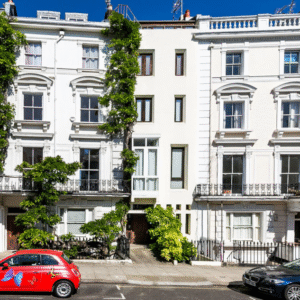
Lustre Consulting was appointed by Schneider Designers to conduct a detailed Basement Impact Assessment (BIA) and Flood Risk Assessment (FRA) for a proposed residential development in Notting Hill. The project involved the extension of a basement beneath an existing property within the Royal Borough of Kensington and Chelsea. Our service aimed to address concerns related […]
Lustre Consulting was appointed by Schneider Designers to...
Lustre Consulting was appointed by Savills on behalf of the University for the Creative Arts (UCA) to conduct a detailed Flood Risk Assessment (FRA) for its proposed redevelopment at The Wells, Epsom. This project is part of UCA’s multi-million-pound expansion, enhancing its Epsom campus facilities to better serve its student and staff communities. The FRA […]
Lustre Consulting was appointed by Savills on behalf of the...
If you are submitting a planning application, then chances are you may have read the term Sustainable Drainage Systems or ‘SuDS’.
If you are submitting a planning application, then chances are...
What is a Flood Risk Assessment? A Flood Risk Assessment (FRA) will determine the flood risk to a site from multiple sources. It is usual for a FRA to assess the flood risk from rivers, sea, surface water, sewers or groundwater. The level of risk is in part determined by future site users and/or sensitive […]