
 Gain Valuable Insights
  Reduce your risk, by gaining valuable insights
Why Do I Need a Noise Assessment?
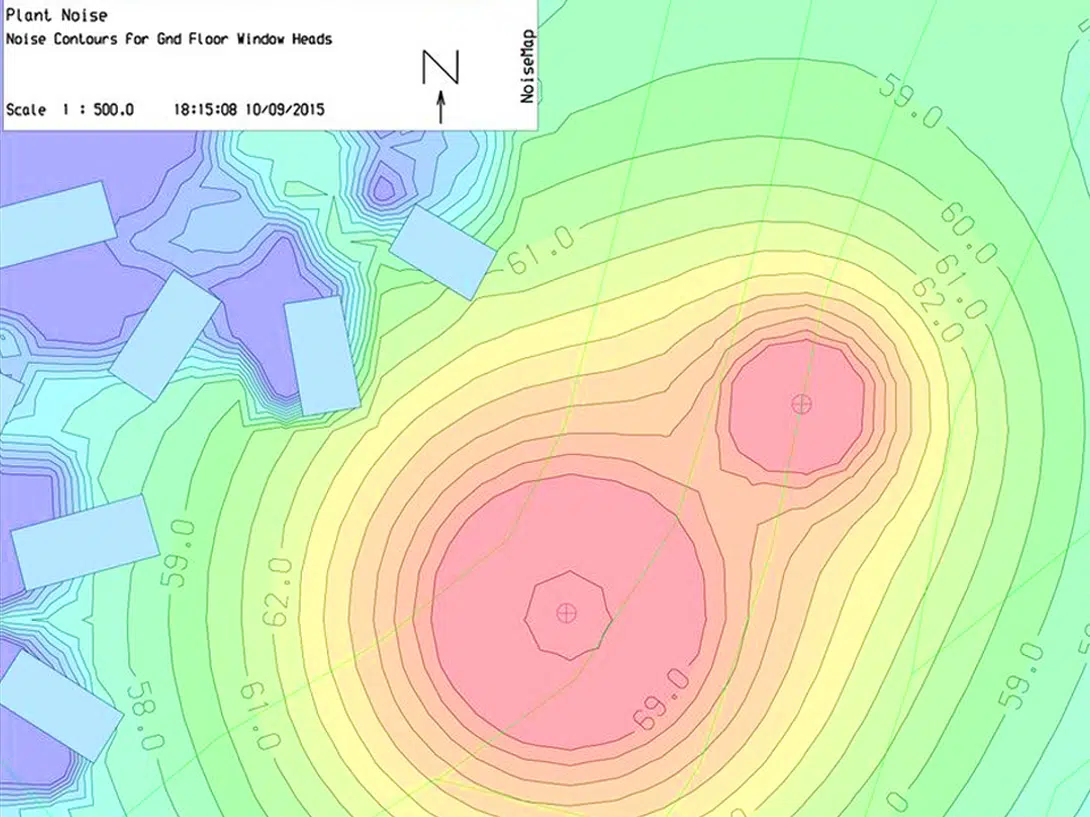
A Noise Assessment (or Noise Impact Assessment) is often required by local planning authorities to support a planning application, discharge conditions, remove objections or meet obligations under environmental permits. The purpose is to identify potential noise impacts, assess the risks to human health or amenity, and, where necessary, set out appropriate mitigation.
Noise is one of the most common sources of complaint in the UK, and early assessment reduces the risk of delays, redesign or refusal at planning stage. Where potential issues are identified, the assessment considers the feasibility of noise mitigation and provides recommendations appropriate to the project stage.
Planning Policy Context
The National Planning Policy Framework (NPPF) requires planning policies and decisions to:
-
Avoid significant adverse impacts on health and quality of life as a result of new development
-
Mitigate and reduce other adverse impacts through appropriate controls or conditions
-
Recognise that some noise is inevitable in development, while protecting existing businesses from unreasonable restrictions due to changes in nearby land use
-
Identify and protect areas of tranquillity valued for recreation and amenity
When is a Noise Assessment Required?
You should consider a Noise Assessment if:
-
Your proposal introduces or modifies a noise source (e.g. plant, machinery, event venue, commercial operation) that could affect nearby sensitive uses such as housing, schools or healthcare facilities
-
Your site is located adjacent to existing sources of noise such as busy roads, railways, industrial areas or entertainment venues
-
You are developing in an area where noise could affect outdoor amenity or where tranquillity is a valued asset
By undertaking the assessment early, you gain clarity on potential risks and mitigation options, providing confidence to both the applicant and the planning authority that noise impacts are fully understood and managed.