
Tick Icon Gain Valuable Insights
Tick Icon Technically Robust
Tick Icon Regulator Approval

The cost of unforeseen Contaminated Land

The sooner you get clarity on your site’s ground risk, the sooner you can make the right decisions.

Contaminated Land Consultants committed to getting your site approved and built

Your specialist Contaminated Land Consultant is part of a dedicated team of Chartered professionals who have been successfully gaining regulatory approval for clients all over the UK, ensuring that their sites are safe and compliant places to live and work.

Our Phase 1 Desk Studies are expertly prepared by experienced consultants who are committed to providing you with technically robust reports. These reports are tailored to meet your specific plans for the site, addressing all potential contamination risks and regulatory requirements.


  • Tick Icon Reduce your risk, by gaining valuable insights
  • Tick Icon Technically robust report, written to highest standards
  • Tick Icon 98% sign off success rate, very satisfied regulators

Meet Your Contaminated Land Consultant

Phase 1 Desk Study

Our Consultants can review your site and guide you through the complex process of undertaking a Phase 1 Desk Study, so you can get your site approved and built.

They are ready to get started.

What Is A Phase 1 Desk Study?

A Phase 1 Desk Study is a critical first step in assessing contaminated land, particularly used to planning applications or to meet environmental regulations.

This desk-based investigation identifies potential contamination risks without the need for excavation or intrusive site work

Our Phase 1 Desk Study reports are typically fast to complete, making them an effective in addressing planning objections or discharging planning conditions. Desk studies are routinely required for sites with any previous development, industrial use, or proximity to potential contamination sources.

The primary goal of a Phase 1 Desk Study is to assess whether there is a potential source of contamination and evaluate the associated risks to sensitive receptors. This is particularly important for new housing developments, where the safety of future residents is a priority.

Lustre Consulting

Get Your Phase 1 Desk Study

1

Get Proposal

Answer a few questions, so together we can come up with a plan that fits your timescales and budget.

2

Phase 1 Desk Study

We work through the complex process of evaluating and assessing the contaminated land risk of the site.

3

Receive Desk Study

Written with a regulator in mind to gain approval, so you can take action to ensure a safe and compliant site.

Why do I need a Phase 1 Desk Study?

A Phase 1 Desk Study is the crucial first step in a phased contaminated land assessment, often required by local planning authorities to support planning applications, remove objections, or discharge planning conditions.

Whether you are proposing a small building extension or a large-scale housing development, a Phase 1 Desk Study provides essential information about potential contamination risks and site history.

Beyond supporting the planning process, Phase 1 Desk Studies are also required to:

  • Satisfy NHBC land quality conditions (or any other warranty provider requirements).
  • Provide financial security for banks and mortgage lenders.
  • Offer legal security for solicitors involved in conveyancing during land purchases.
  • Support Environmental Due Diligence audits for corporate compliance.
  • Inform Environmental Statements within an Environmental Impact Assessment (EIA).

A Phase 1 Desk Study is arguably the most critical part of a contaminated land assessment, as it determines whether further site investigations or costly remedial actions will be required.

By identifying potential issues early, it helps avoid expensive delays and ensures compliance with planning and environmental regulations.


How is a Phase 1 Desk Study Carried Out?

In order to meet your needs and ensure you remain compliant, all our Phase 1 Desk Studies are carried out in accordance with current guidance such as the recommended approach set out in the Environment Agency’s Model Procedures for Land Contamination Risk Management (LCRM) including:

  • A site walkover to assess the current condition of the land. During this visit, our contaminated land consultants will assess the site condition by taking photographs of the site, and interview individuals who are most familiar with the site’s history and operations. This is a key step to identify any potential contamination sources or risks that may not be visible in public records.
  • Historical review of OS Maps and Aerial Photographs dating back to the mid-1800s, alongside available site plans and aerial photographs, to identify any past land uses that may have contributed to contamination. This step provides crucial insights into industrial activity, waste disposal, or changes in land use over time.
  • Identification of pollution incidents and landfill sites using publicly available data, we identify known pollution incidents, landfill sites, and discharge consents in the area. This helps in assessing the potential for contamination from nearby sources that could impact your site. We also review environmental data sets, including information from regulatory bodies and other reputable sources.
  • Review of the environmental setting by conducting a thorough analysis of the geology, hydrogeology, and hydrology of the site and its surroundings. Understanding the physical characteristics of the land, including soil composition and groundwater flow, is essential for assessing how contamination could spread and the potential impact on sensitive receptors, such as nearby watercourses or residential areas.
  • Development of a conceptual site model based on our findings, which illustrates the relationships between contamination sources, potential pathways, and sensitive receptors. This is accompanied by a qualitative risk assessment to evaluate the likelihood and severity of contamination risks, ensuring a clear understanding of any hazards present.
  • Comprehensive report for submission to local planning authorities, which includes all findings, a robust risk assessment, and our professional recommendations to help you move forward with your development project confidently.

Our Phase 1 Desk Studies are known for their high-quality results and regularly receive positive feedback from clients and planning regulators, including local environmental health officers. We take pride in delivering clear, concise reports with comprehensive conceptual site models and risk assessments that not only meet but exceed the expectations of local authorities.

Frequently asked questions about Phase 1 Desk Studies

Do I need a Phase 1 Desk Study for my planning application?

Most UK local planning authorities require a Phase 1 Desk Study (also known as a Preliminary Risk Assessment) to be submitted with your planning application if there is a risk of land contamination. It demonstrates that potential issues have been considered and, where necessary, sets out the need for further investigation. Without it, your application may be delayed or refused.

What if I already have a 'Site Check' document as part of the sale/purchase of my property?

A basic ‘Site Check’ report is typically computer-generated and lacks the thorough investigation needed for planning approval. Local Planning Authorities often reject these reports due to the absence of critical elements such as a site walkover, conceptual site model, and qualitative risk assessment. Our Phase 1 Desk Studies, prepared by qualified contaminated land consultants, provide a comprehensive assessment that meets regulatory standards and ensures there are no oversights.

How long does a Phase 1 Desk Study take?

We typically complete a Phase 1 Desk Study within two weeks. The exact timescale depends on the size and complexity of the site, availability of historic and regulatory data, and arranging a convenient time for the site walkover. If you have a planning deadline, let us know as we can prioritise urgent cases.

What’s the difference between a Phase 1 and Phase 2 Site Investigation?

A Phase 1 Desk Study is a non-intrusive investigation that focuses on identifying potential contamination risks through desk-based research, site walkovers, and historical reviews. A Phase 2 Site Investigation is a more detailed, intrusive process involving soil, water, or gas sampling to confirm contamination levels identified during the Phase 1 study. The Phase 1 report determines the need and scope for Phase 2.

Will my planning authority accept your report?

Yes. Our reports are prepared in line with current Land Contamination Risk Management (LCRM) guidance and relevant British Standards. We structure them so they meet the expectations of planning officers, environmental health teams, and regulators, ensuring a smoother route to planning approval.

Can I skip Phase 1 and go straight to Phase 2?

Not usually. Planning authorities, lenders and regulators generally expect a Phase 1 Desk Study first. It sets the context and scope for any Phase 2 investigation. There is a risk that you will either miss a potentially significant source of contamination that will appear during development, the regulator will not approve it or an unnecessary amount of site investigation work will be undertaken, wasting valuable time, money and resources.

What happens if contamination is found?

If our Phase 1 Desk Study identifies potential pollutant linkages, we will recommend a Phase 2 Site Investigation to confirm conditions. If contamination is confirmed, we can then develop a tailored Remediation Strategy to mitigate risks and support your planning approval.

What are the limitations of a Phase 1 Desk Study?

Because it is desk-based and non-intrusive, a Phase 1 Desk Study cannot confirm contamination levels or conditions below ground. It relies on existing records and surface observations. That’s why a Phase 2 Site Investigation is often recommended if risks are identified.

Sites Successfully Approved and Built

What is a Phase 1 Desk Study? A Phase 1 Desk Study will determine if contamination could be present at your site, and importantly, if that contamination poses a risk to future site users or the environment. Why is a Phase 1 Desk Study needed for this site? If the Desk Study finds that the […]

What is a Phase 1 Desk Study? A Phase 1 Desk Study will...

Lustre Consulting was appointed by DHA Group to conduct a Phase 1 Desk Study t Caring Stud, Maidstone. The site was earmarked for redevelopment into a residential scheme comprising 13 modern apartments with associated infrastructure. Given the site’s historical use and proximity to industrial activities, the project required careful environmental assessment to address contamination risks, […]

Lustre Consulting was appointed by DHA Group to conduct a Phase...

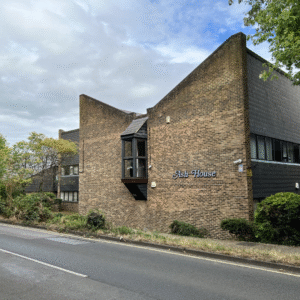
Lustre Consulting was instructed by DHA to undertake a Phase 1 Desk Study for Ash House, a two-storey office building located in New Ash Green, Kent. The project proposed the conversion of the existing commercial space into 14 residential apartments, requiring detailed environmental assessment to ensure compliance with planning regulations and address any potential contamination […]

Lustre Consulting was instructed by DHA to undertake a Phase 1...

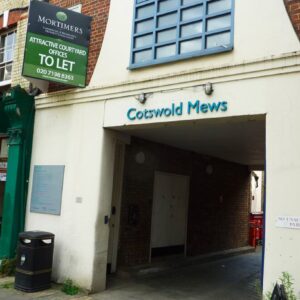
Cotswold Mews Ltd in Battersea Square, London is to be redeveloped from commercial office space into residential apartments. Lustre Consulting was appointed to carry out a Phase 1 Desk Study and Flood Risk Assessment to support the planning application. The aim of the Phase 1 Desk Study was to identify any potential sources of contamination at […]

Cotswold Mews Ltd in Battersea Square, London is to be...

Start your Phase 1 Desk Study today