Delivering actionable contaminated land assessments and remediation strategies, so you can get your site approved and built.
 Reduced Risk
Save Time
Regulator Approved
Reduced Risk
Save Time
Regulator Approved Contaminated land refers to soil, groundwater, or surface materials impacted by hazardous substances that could pose a risk to human health, property, or the environment.
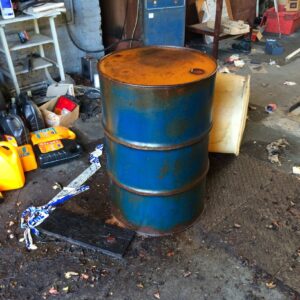
Common sources include:
Historical industrial and commercial uses (fuel storage, workshops, factories)
Infilled land and waste deposits
Spills, leaks, or poor waste management
Use of pesticides or hazardous materials
Typical contaminants include hydrocarbons, heavy metals, asbestos, solvents, and PAHs. Understanding their presence and behaviour is the foundation of every compliant land assessment.
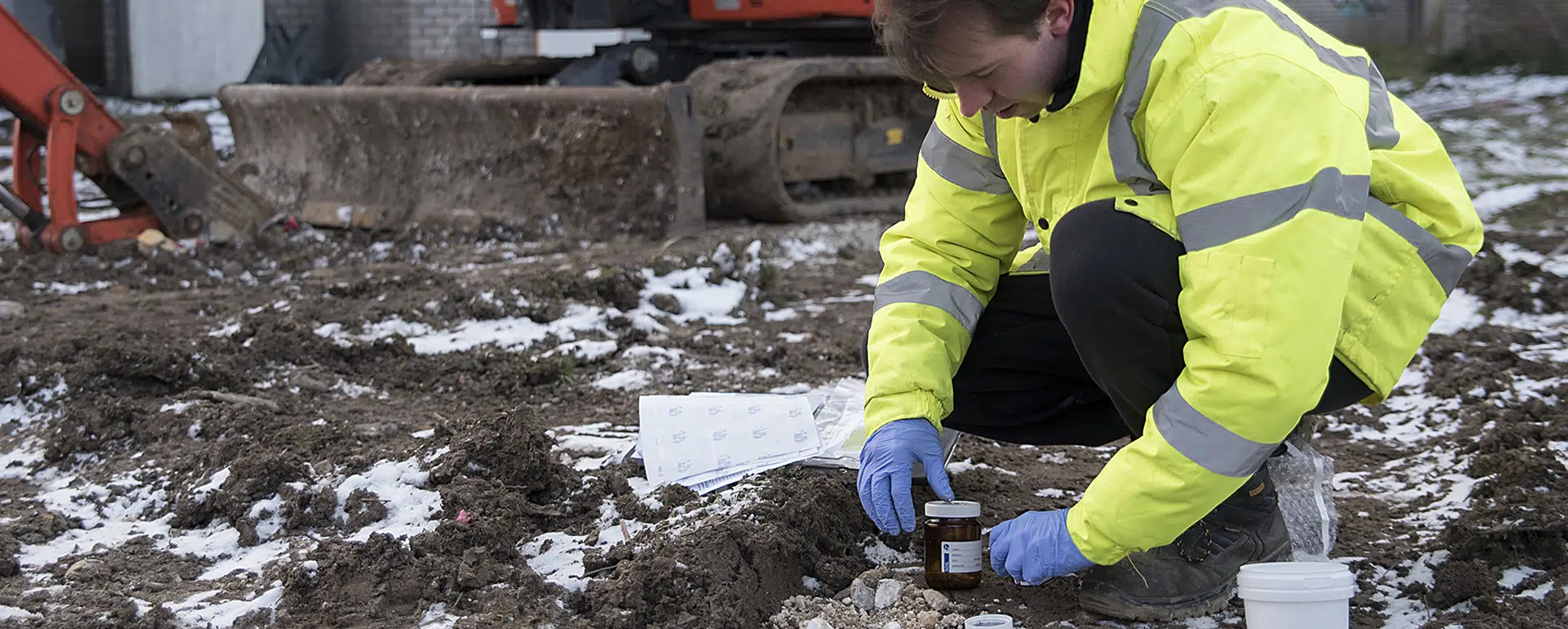
A contaminated land assessment is a detailed process designed to identify, evaluate, and manage the extent of contamination within a site. Through comprehensive environmental data collection; including soil, groundwater, and gas sampling, we determine the nature and magnitude of any contaminants present.
The primary objective is to assess potential risks to human health, buildings, and the wider environment. This risk evaluation informs whether remedial or management actions are necessary to make the site suitable for its intended use.
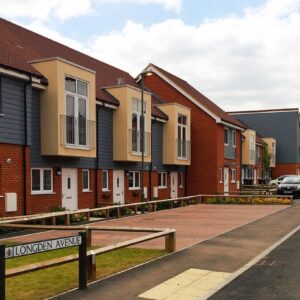
Our assessments support safe, sustainable, and compliant development in line with planning policy, environmental legislation, and regulator expectations.
A contaminated land assessment provides clarity on whether land is suitable for its intended use a critical requirement for planning approval, design, and development.
Assessments are often requested by Local Planning Authorities, Environmental Health Officers, or the Environment Agency, and are essential for:
Meeting contaminated land planning conditions
Avoiding unforeseen remediation or disposal costs
Protecting future occupants and construction workers
Demonstrating compliance with the National Planning Policy Framework (NPPF) and local planning policy
Failure to undertake a suitable assessment when requested can delay or even prevent planning approval.
We follow a phased approach in accordance with BS 10175:2022, BS 5930, and the Environment Agency’s Land Contamination Risk Management (LCRM) framework.
Each phase builds on the previous one to deliver a clear, regulator-approved outcome.
A desk-based review of environmental data, historical mapping, and regulatory records to identify potential contamination sources, pathways, and receptors.
Learn more about Phase 1 Desk Studies
Targeted sampling and testing of soil, groundwater, and ground gas to confirm whether risks identified in Phase 1 are present, and to what extent.
Learn more about Phase 2 Site Investigations
Developing a clear, cost-effective, and actionable plan to manage or remove contamination, ensuring the site is suitable for its proposed use.
Learn more about Remediation Strategies
Confirming that remediation works have been completed successfully and demonstrating compliance with regulatory requirements or providing independent verification for land transactions and acquisitions.
Learn more about Remediation Verification





A desk-based assessment of site history and environmental risks to support planning and determine whether further investigation is required.
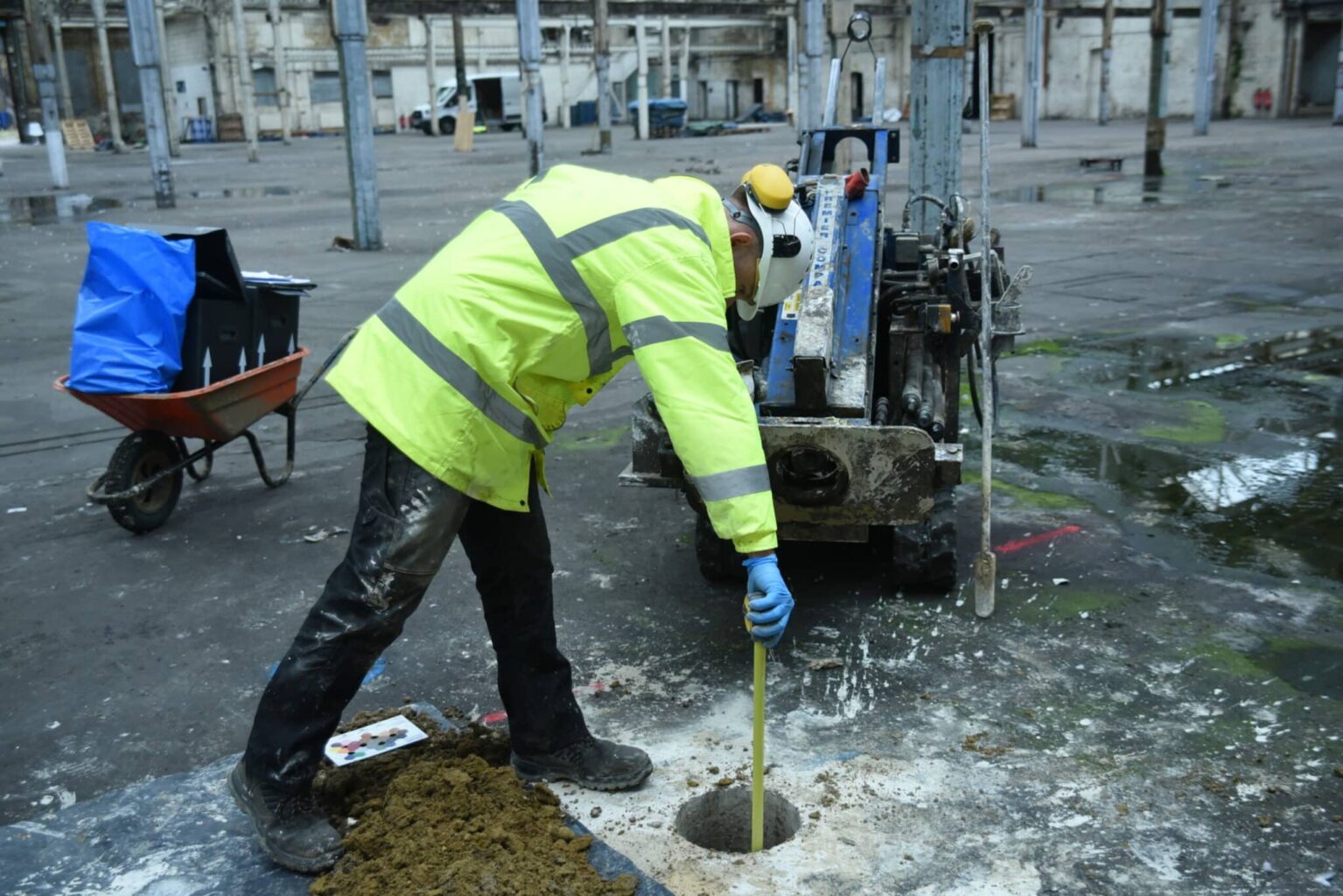
An intrusive investigation of soil, groundwater and ground gas to quantify contamination and inform design, risk assessment, and remediation requirements.
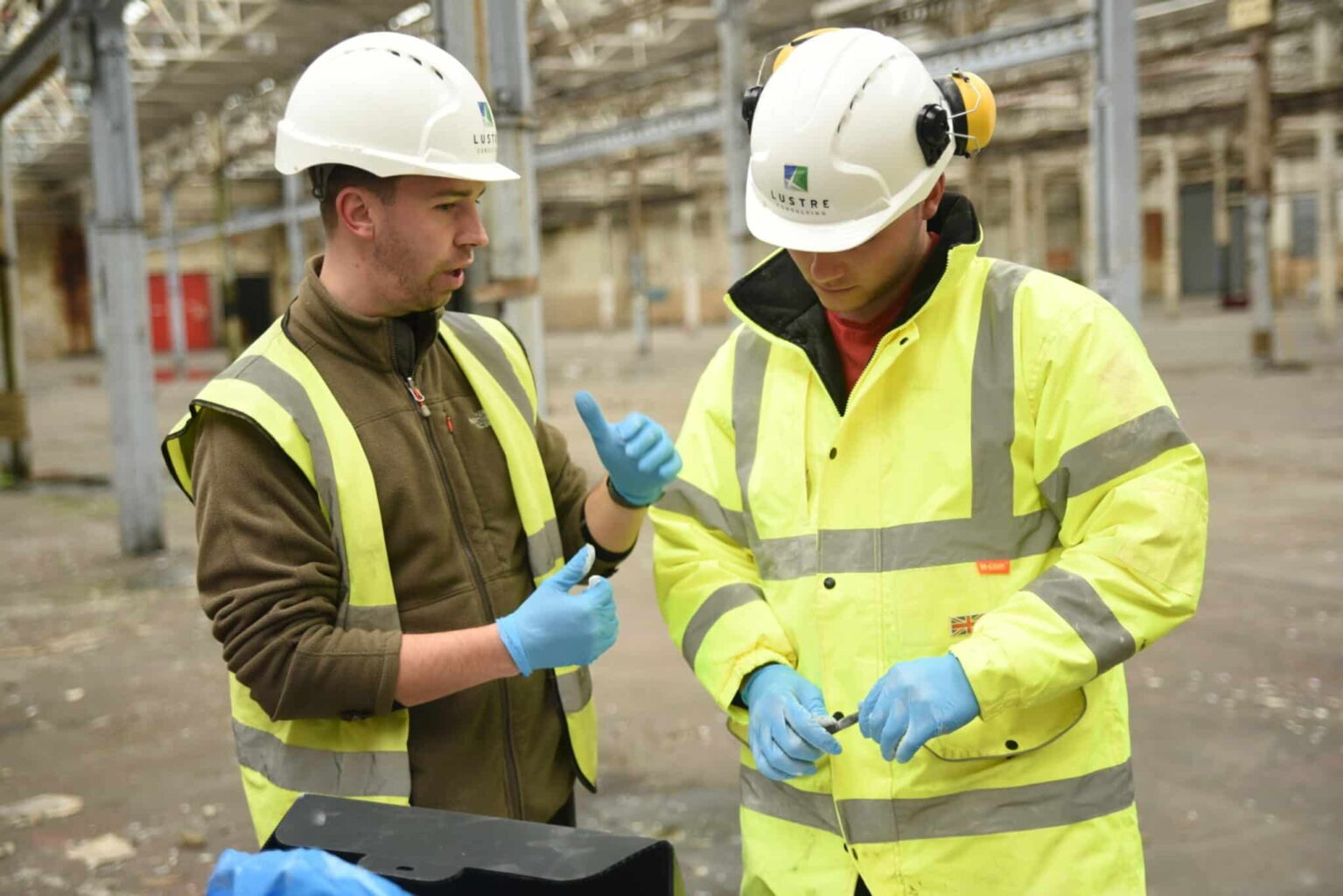
A Remediation Strategy outlines the measures needed to make a site safe and suitable for its intended use, based on confirmed contamination risks.
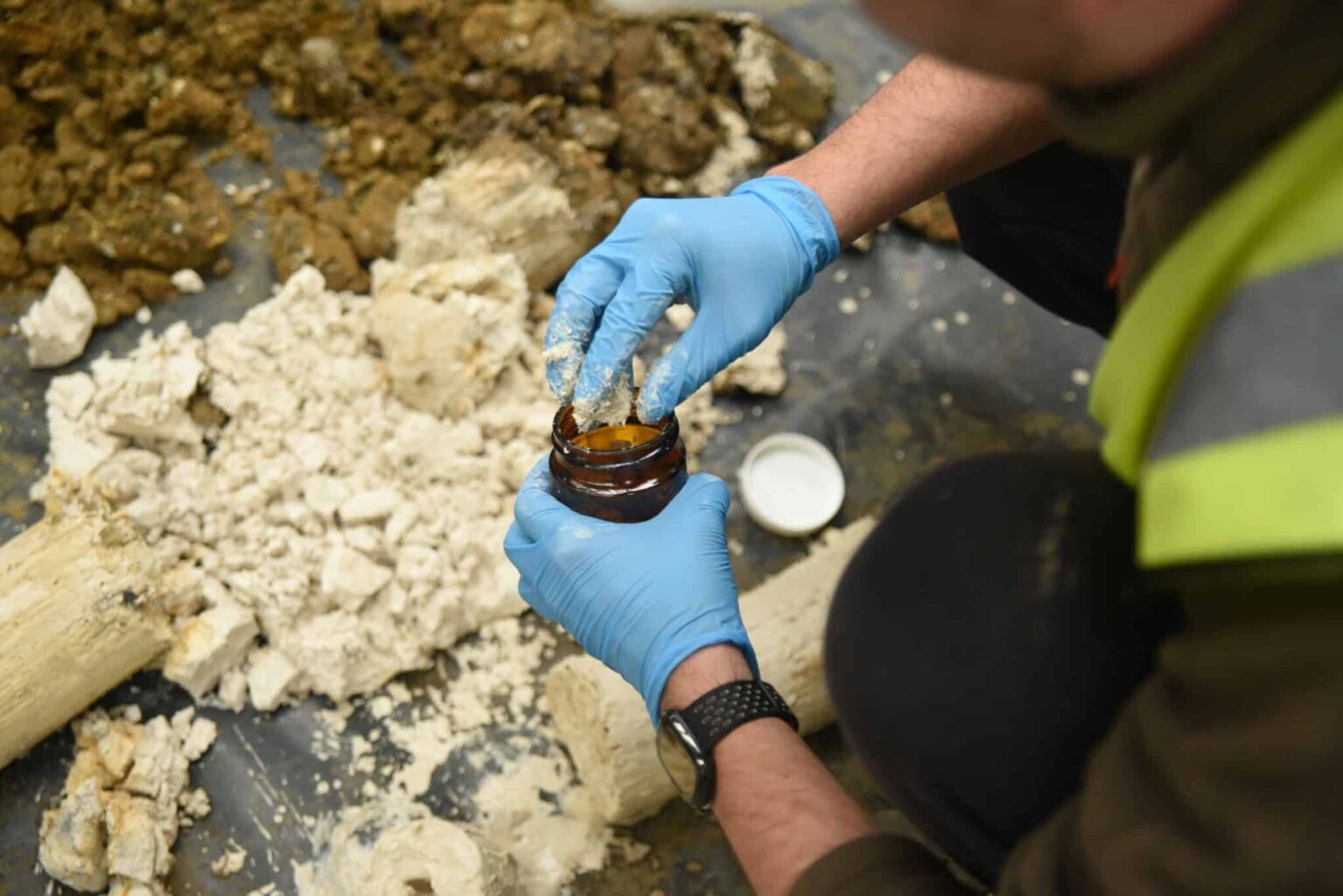
Verification of completed remediation works to demonstrate compliance with planning conditions and confirm the site is suitable for its intended use
Your specialist Environmental Consultant is part of a dedicated team of Chartered professionals who have been successfully gaining regulatory approval for Clients across the UK, ensuring that their sites are safe and compliant places to live and work.
Our Assessments and Site Investigations are expertly prepared by experienced consultants who are committed to providing you with a technically robust report that is tailored to meet your needs and gain approval.
 Reduce your risk, by gaining valuable insights
Time and cost saving, when instructed on multiple assessments
98% sign off success rate, very satisfied regulators
Reduce your risk, by gaining valuable insights
Time and cost saving, when instructed on multiple assessments
98% sign off success rate, very satisfied regulators Answer a few questions, so together we can come up with a plan that fits your timescales and budget
We work through the complex process of evaluating and investigating the problems that could pose a risk to the site
Written with a regulator in mind to gain approval, so you take action to ensure a safe and compliant site
Lustre Consulting was appointed by Corporation Street Hotel Ltd to provide a comprehensive contaminated land and geotechnical assessment for the redevelopment and regeneration of a site along Corporation Street in Rochester, Kent. Formerly a petrol station and currently operating as a car wash, the site had several unique environmental challenges and constraints. Leftover infrastructure from […]
Lustre Consulting was appointed by Corporation Street Hotel Ltd...
Lustre Consulting was appointed by Oscar Acoustics to deliver a wide range of environmental and geotechnical services for the redevelopment of a commercial site in Halling, Medway. This project involved the construction of two commercial buildings, associated parking areas, and access roads. Given the site’s geological and environmental sensitivities, as well as regulatory requirements, our […]
Lustre Consulting was appointed by Oscar Acoustics to deliver a...
A former petrol filling station and vehicle servicing garage site in Kent is in the process of being redeveloped into a residential use. Lustre Consulting was initially appointed to carry out a Phase 1 Desk Study in support of a planning application. This was followed by a Phase 2 Site Investigation including a Geotechnical Investigation. […]
A former petrol filling station and vehicle servicing garage...
This site was granted planning permission by the Secretary of State for the development of 350 100% affordable low rise houses and apartments. The site comprises approximately 24ha of open space, bisected by a former sand pit and pond. Site investigations undertaken since the 1990s found the pond (1ha in area and up to 4m […]
This site was granted planning permission by the Secretary of...