How Is a Ground Investigation Carried Out?
At Lustre Consulting, we design cost-effective geotechnical investigations to assess the ground conditions and determine the engineering capacity of the site. Our investigations provide crucial data that supports safe and compliant foundation and structural design for your project, ensuring long-term stability.
To meet your requirements and ensure compliance with industry regulations, all our geotechnical investigations are conducted in accordance with British Standards (BS 5930, BS 1377, BS EN 1997-1) and BRE guidance notes, referencing the applicable Eurocodes where relevant.
Our consultants recover representative samples, conduct in situ testing, and perform detailed soil logging. Depending on your site, we may employ:
- Cable percussive boreholes for deeper investigations, Standard Penetration Testing (SPT), and the installation of groundwater monitoring standpipes.
- Windowless sample boreholes using a small tracked drilling rig, suitable for restricted access sites and residential developments.
- Machine-excavated trial pits using a JCB, mini excavator, or similar plant.
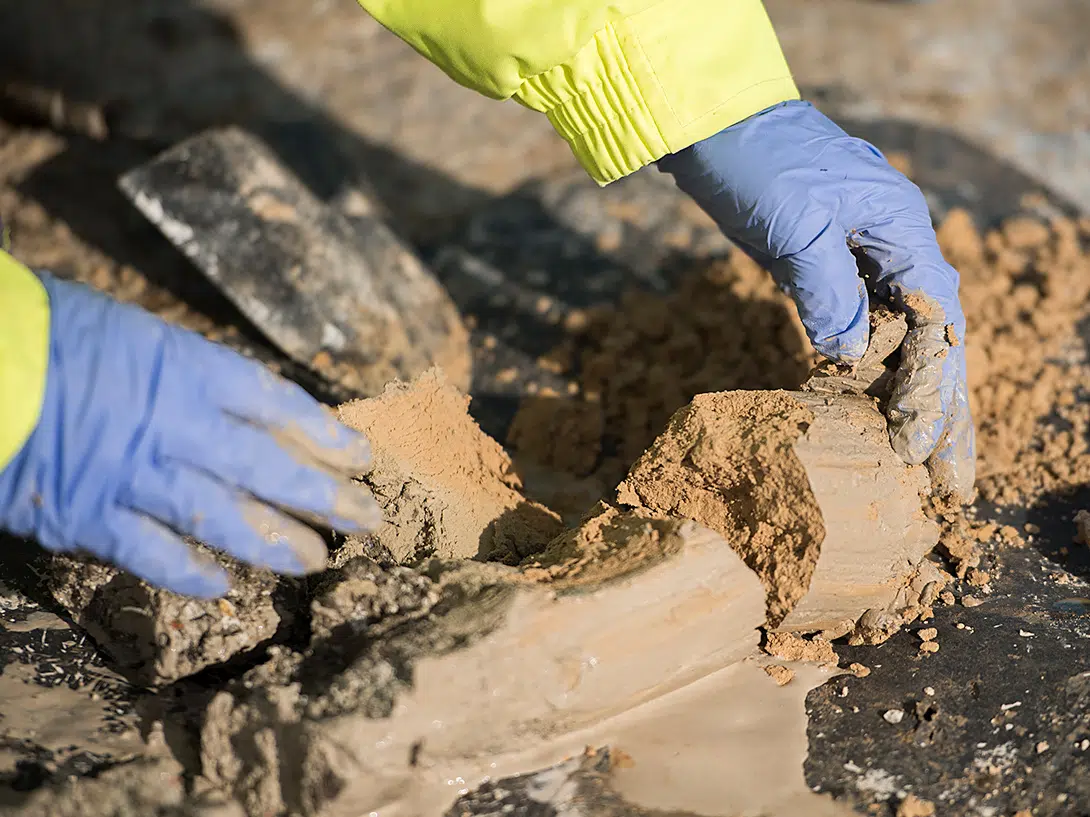
- Hand-excavated trial pits and hand augering, particularly useful for assessing existing foundations and shallow ground conditions.
- Rotary boreholes (hollow stem and solid stem) for bedrock investigation and rock coring.
- Dynamic probing and other in situ tests.
Laboratory testing of recovered samples determines parameters including particle size distribution, Atterberg limits, moisture content, compaction characteristics, and the chemical aggressivity of soil and groundwater for concrete specification in accordance with BRE Special Digest 1.
Following the ground investigation, our findings are compiled into a comprehensive and interpretative report. This typically includes:
- Foundation design recommendations
- Drainage feasibility and infiltration testing outcomes
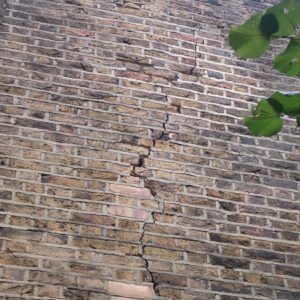
- Identification of geotechnical risks such as heave near trees or subsidence in soft soils
- Practical advice to inform civil and structural design
Our reports focus on clear, actionable engineering solutions ideally developed in collaboration with project engineers and key stakeholders. By providing early insights into ground conditions, we help reduce construction risk, avoid delays, and ensure compliance with regulatory requirements.

 Reduced Risk
  Reduce your risk, by gaining valuable insights