Tick Icon Clear and Simple
Tick Icon Technically Robust
Tick Icon Regulator Approved

The Cost of Not Preparing A Remediation Strategy

Consultants who know how to Support you through the Time and Commitment challenges of undertaking Remediation work.
The sooner you have a robust Remediation Strategy that has been approved, the sooner you can reduce the risk.

Contaminated Land Consultants Committed to Getting Your Site Approved and Built

Your specialist Contaminated Land Consultant is part of a dedicated team of Chartered professionals who have been successfully gaining regulatory approval for clients all over the UK, ensuring that their sites are safe and compliant places to live and work.

Our Remediation Strategies are expertly prepared by experienced consultants who are committed to providing you with technically robust reports that are tailored to meet your plans for the site.

  • Tick Icon Clear and Simple, written with your Site Team in mind
  • Tick Icon Technically robust report, written to highest standards
  • Tick Icon 98% sign off success rate, very satisfied regulators

Meet Your Contaminated Land Consultant

Remediation Strategy

Our Consultants can review your site and guide you through the complex process of undertaking a Contaminated Land Remediation Strategy, so you can get your site approved and built.

They are ready to get started.

What Is A Remediation Strategy?

Remediation is the third stage of a ‘phased’ Contaminated Land Assessment and may be required if the Phase 2 Site Investigation has identified an unacceptable risk that needs mitigation.

The remediation phase involves planning for and either eliminating or reducing the contamination pollution risks for your site.

Remediation is often required to ultimately discharge planning conditions to ensure a safe and compliant development.

Before any remediation work can start, a Remediation Strategy needs to be prepared and approved by the regulator.

Lustre Consulting

Get Your Remediation Strategy

1

Get Proposal

Answer a few questions, so together we can come up with a plan that fits your timescales and budget.

2

Remediation Strategy

We work through the site investigation information to create a cost-effective strategy that fits your development proposals.

3

Receive Strategy

Written with a regulator in mind to gain approval, so you can take action to ensure a safe and compliant site.

Why do I need a Remediation Strategy?

Remediation is the third stage of a phased Contaminated Land Assessment that is often required to discharge planning conditions to ensure safe development.

A Remediation Strategy (sometimes called a Remediation Plan) is prepared once a Phase 2 Site Investigation has confirmed unacceptable risks. Its purpose is to break identified pollutant linkages or reduce risks to an acceptable level.

The Remediation Strategy sets out:

  • The chosen remedial option for the site

  • The mitigation measures and methodology to be implemented during redevelopment

  • How remedial works will be validated and verified (often referred to as the Verification Plan)

This document allows designers, contractors and developers to make the necessary provisions for remediation at an early stage. By agreeing the methodology in advance with the local planning authority and, where relevant, the Environment Agency, the process is more efficient and cost-effective.

The remedial option selected will depend on several factors, including:

  • The type and extent of contamination

  • Proposed development and end use

  • Geology and hydrogeology of the site

  • Access and logistical constraints

  • Project timescales and budget

When complete, the Remediation Strategy is submitted to the local planning authority and other regulators for formal approval prior to works commencing.

Remediation Verification

The second stage of remediation is Verification. This confirms that the remedial measures set out in the Strategy have been carried out satisfactorily and that the objectives have been achieved. Verification may include:

  • Site inspections during works

  • Review of contractor records and documentation

  • Field and laboratory testing

This step provides assurance to regulators that the site has been made suitable for its intended use.

Remediation Techniques

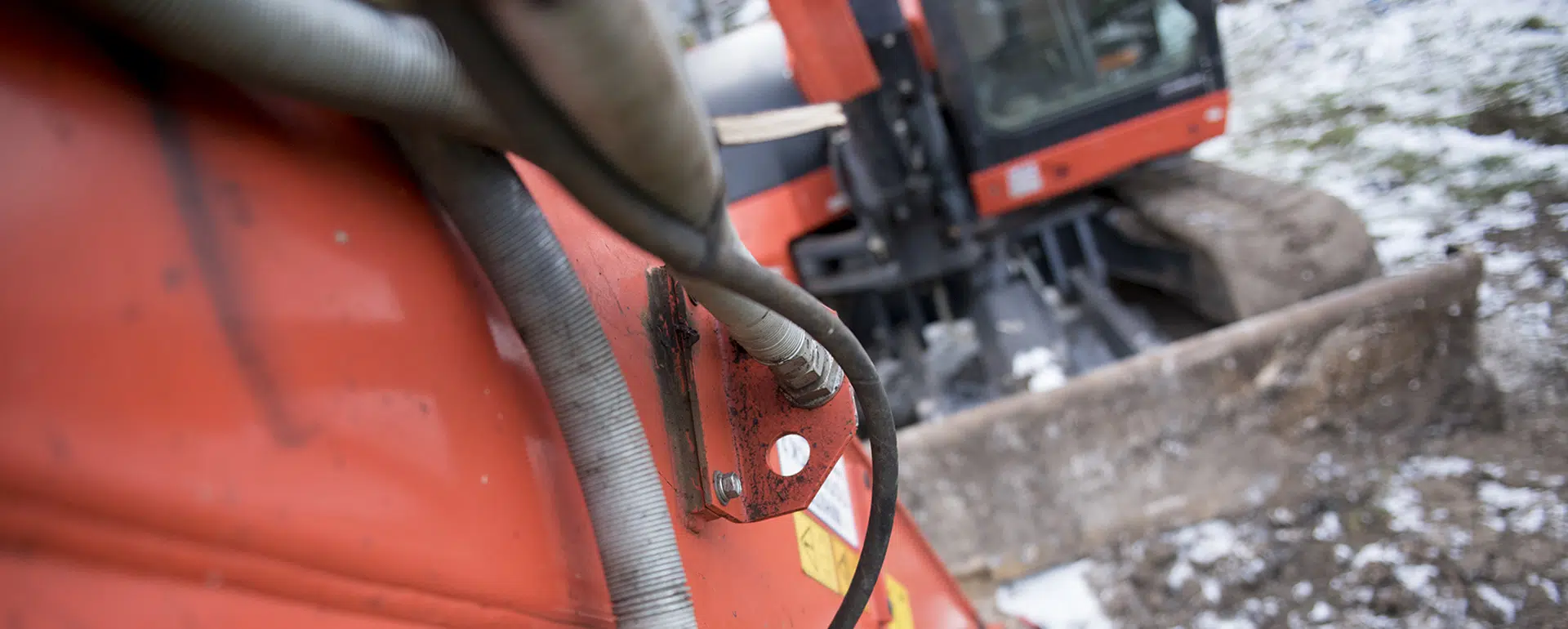
There are a range of remediation techniques available, and the industry continues to develop new approaches. Common examples include:

  • Engineered capping layers

  • Localised hotspot removal

  • Stabilisation and solidification

  • Bioremediation (windrows, biopiles, in-situ)

  • Pump-and-treat systems

  • Thermal treatment methods

  • Chemical treatment processes
How is a Remediation Strategy Carried Out?

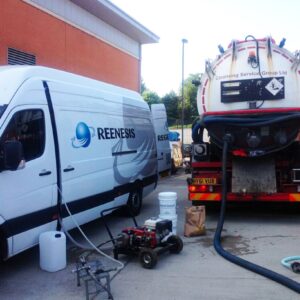
At Lustre Consulting we pride ourselves on designing cost-effective and compliant remediation schemes that target identified sources of contamination.

All our Remediation Strategies are prepared by qualified and competent consultants in accordance with current guidance, including the Environment Agency’s Land Contamination Risk Management (LCRM) approach. This ensures that the methodology is technically robust, regulator-approved and practical for contractors to deliver.

Our role is to:

  • Define remedial objectives and select appropriate techniques

  • Agree the approach with the planning authority and relevant regulators

  • Provide a clear methodology and implementation plan

  • Set out a Verification Plan so remedial outcomes can be independently validated

By following this process, we ensure that remediation is completed to the required standard, risks are reduced to acceptable levels, and developments can progress with confidence.

Frequently asked questions about Remediation Strategies

Do I need a Remediation Strategy?

Yes. If your Phase 2 Site Investigation identifies unacceptable contamination risks, many planning authorities will require a Remediation Strategy (and often a Verification Report) to discharge conditions. If you have any contaminated land planning condition, a Remediation Strategy is likely necessary.

How long does Remediation take?

Depending on the type of remediation employed, the nature of the ground conditions and extent of contamination. This could be a week if it is some localised removal of soil, or a number of months if it is a large and complex site with groundwater contamination.

Which remediation techniques are used?

There are a range of remediation techniques available, and the industry continues to develop new approaches. Common examples include:

  • Engineered capping layers

  • Localised hotspot removal

  • Stabilisation and solidification

  • Bioremediation (windrows, biopiles, in-situ)

  • Pump-and-treat systems

  • Thermal treatment methods

  • Chemical treatment processes

What is remediation verification?

Verification is the process by which we confirm that the remedial works have been carried out correctly and that the objectives of the Remediation Strategy have been met. This includes: site inspections, documentary review, sampling and laboratory testing.

Can remediation be done during construction?

Yes, if properly phased. In some schemes, remediation is integrated with the construction programme, but it must be carefully managed so it does not compromise structural integrity or regulatory compliance.

Sites Successfully Approved and Built

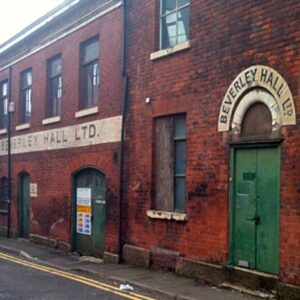
The Regent Parade site in Birmingham is in the process of being redeveloped from a light industrial use into a mixed residential and commercial use including retail space, town houses and apartments. Lustre Consulting was appointed by One Property Group to carry out a phased contaminated land assessment including a Phase 1 Desk Study and […]

The Regent Parade site in Birmingham is in the process of being...

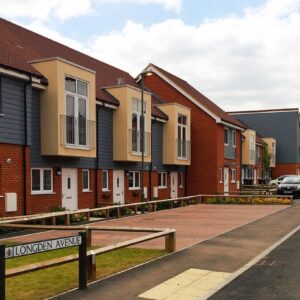
This site was granted planning permission by the Secretary of State for the development of 350 100% affordable low rise houses and apartments. The site comprises approximately 24ha of open space, bisected by a former sand pit and pond. Site investigations undertaken since the 1990s found the pond (1ha in area and up to 4m […]

This site was granted planning permission by the Secretary of...

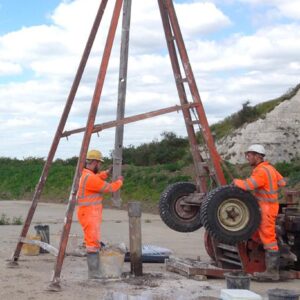
A former large scale fuel storage and distribution depot is in the process of being redeveloped into a commercial development. The depot, located within a chalk quarry, was decommissioned around 15 years ago with all associated infrastructure removed. Prior to Lustre Consulting’s involvement several investigations, dating back over a decade, had been conducted. The investigations […]

A former large scale fuel storage and distribution depot is in...

Following a diesel spill at an operational police station, Lustre Consulting was appointed to carry out an initial Site Investigation to determine the extent and impact of the spill. The investigation utilised a windowless sampling drilling rig to address access constraints, including the drilling of one borehole inside a dog kennel. The soil testing and […]

Following a diesel spill at an operational police station,...

Start your Remediation Strategy today