Tick Icon Drainage Feasibility
Tick Icon BRE 365 Compliant
Tick Icon SuDS Ready

The Cost of Unforeseen Infiltration Problems

There is a lot at stake if reliable soakaway testing and infiltration data are not obtained before designing your drainage strategy or SuDS system.
Our Soakage Testing is a relatively small price to pay compared to the risk of not understanding the infiltration capacity of your site. The sooner you get clarity on whether soakaways are feasible, the sooner you and your design team can make even better decisions about drainage.

Environmental Consultants Committed to Getting Your Site Approved and Built

Your specialist Environmental Consultant is part of a dedicated team of experienced professionals who have been successfully gaining regulatory approval for clients all over the UK, ensuring that their sites are safe and compliant places to live and work.

Our BRE 365 infiltration tests are expertly prepared by experienced technicians who are committed to providing you with a technically robust assessment that is tailored to meet your plans for the site.

  • Tick Icon BRE 365 compliant, ensuring British Standards are followed
  • Tick Icon Technically robust, written with an engineer in mind
  • Tick Icon Turnkey solution, undertaken by in-house experts

What is Soakaway Testing?

Soakaway testing (also referred to as soakage testing or infiltration testing) is used to determine how quickly water drains into the ground. The test measures the infiltration rate of the soil, which is essential when designing soakaways and other Sustainable Drainage Systems (SuDS).

These tests are typically carried out in accordance with BRE 365 guidance, which sets out the recognised methodology for assessing whether surface water can safely discharge to ground.

Soakaway testing is commonly required during the planning and drainage design stage of development, helping engineers and planners determine whether infiltration drainage is viable for a site. Without reliable infiltration data, drainage strategies may later prove unworkable or require costly redesign.

The results of soakaway testing are used to establish the infiltration characteristics of the ground, allowing drainage engineers to design soakaways and SuDS systems that safely manage surface water runoff while complying with planning and regulatory requirements.

Lustre Consulting

How Our Soakaway Testing Works

1

Get Proposal

Answer a few quick questions aboutyour site and project. We’ll provide a clear proposal for BRE 365 soakaway testing tailored to your programme and budget.

2

Soakaway Testing

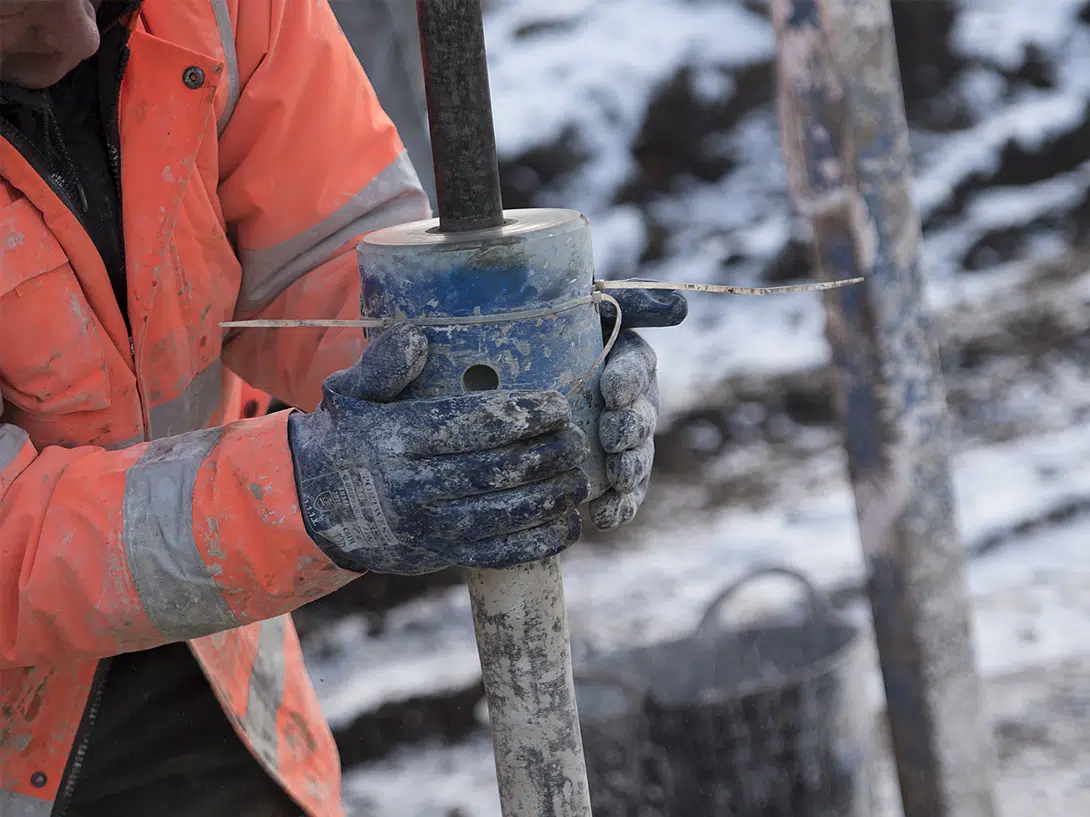
Our technicians organise and carry out on-site infiltration testing in accordance with BRE 365, establishing the infiltration rate of your soil.

3

Receive Report

You receive a clear soakaway testing report suitable for planning submissions and drainage design, outlining infiltration results and recommendations.

Why do I need a Soakaway Test?

A soakaway test is carried out to determine how quickly water can drain into the ground. The test establishes the infiltration rate of the soil, which is essential when designing soakaways or other Sustainable Drainage Systems (SuDS).

Most local planning authorities and Lead Local Flood Authorities (LLFAs) require soakaway testing to demonstrate that surface water can safely discharge to ground before approving a drainage strategy. Testing is typically carried out in accordance with BRE 365 guidance, ensuring the results can be used by engineers when designing drainage systems and supporting planning submissions.

How is Soakaway Testing carried out?

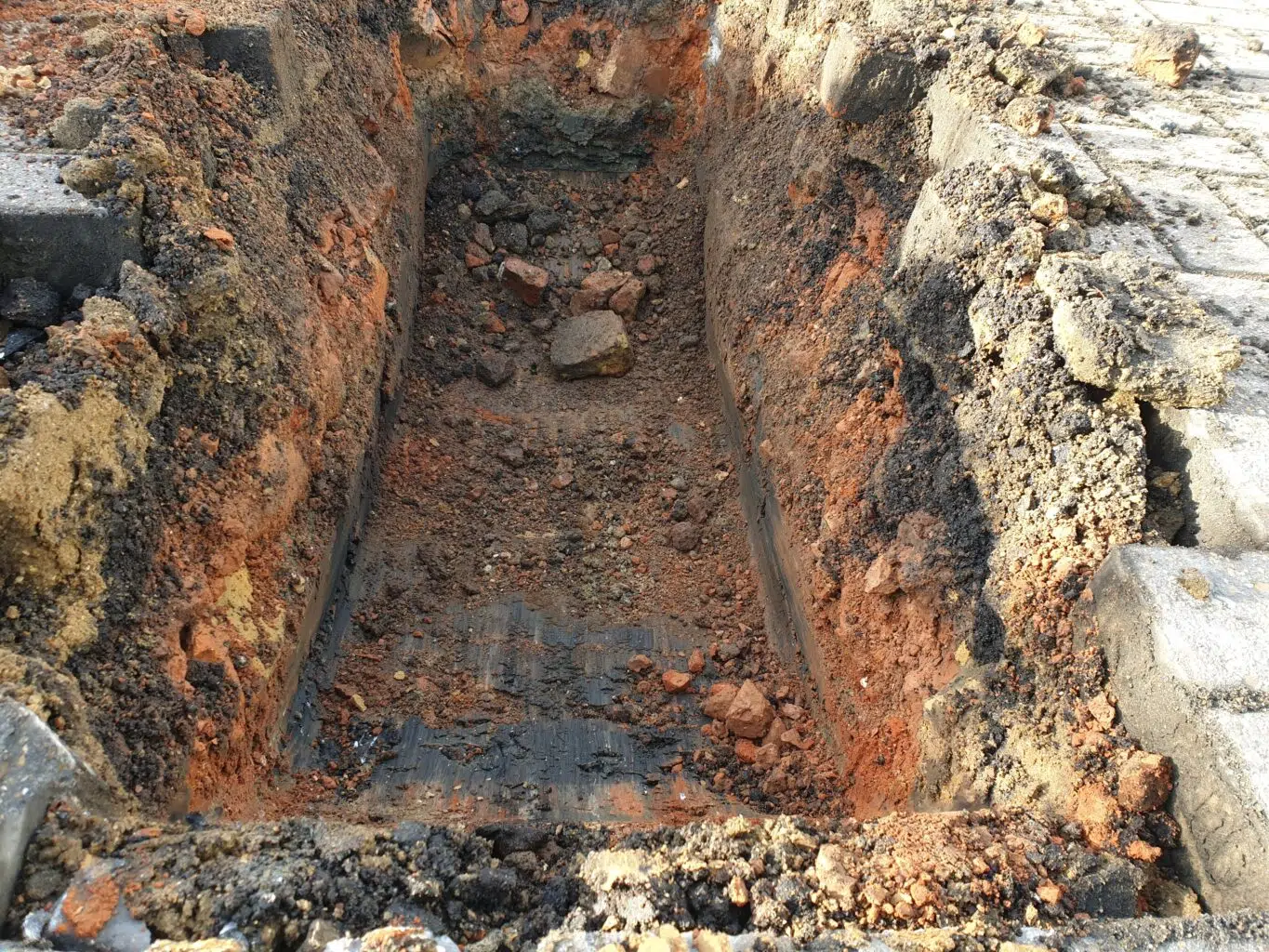
The BRE365 test methodology involves excavating a trial pit to the proposed formation level of the soakaway, filling it with water, and measuring the rate at which the water level falls over a series of three consecutive filling and draining cycles. The test results are used to calculate the soil infiltration rate (expressed in metres per second), which is then applied to the soakaway design calculations. 

Key considerations that inform the scope of testing include: 

  • Depth to groundwater – soakaways must maintain a minimum clearance (typically 1 metre) above the peak seasonal groundwater level. This is why soakage testing and groundwater monitoring are frequently undertaken together. 
  • Geology – the nature of the underlying geology is a critical factor. The presence of impermeable strata such as clay may preclude infiltration drainage entirely. Conversely, highly permeable strata such as chalk or sandstone may yield very high infiltration rates, but may also present geological constraints that affect the suitability or design of soakaways (see below). Where the geology is variable across a site, multiple test locations may be required. 
  • Number of tests – the number of soakage tests is typically determined by the size of the development and the variability of the ground conditions. LLFAs may have specific requirements on minimum test numbers. 
  • Test location and depth – tests should be carried out at or close to the proposed soakaway locations and at the anticipated formation level. 

Frequently asked questions about Soakaway Testing

How long does soakaway testing take?

Most soakaway tests can be completed within a single site visit, although the duration depends on soil permeability and ground conditions. Low-permeability soils such as clay can require longer monitoring periods to accurately determine the infiltration rate.

How much does soakaway testing cost?

The cost of soakaway testing depends on factors such as site access, excavation requirements, ground conditions, and the number of tests required. In most cases testing is a relatively small cost compared with the potential delays and redesign costs that can arise if infiltration feasibility is not established early.

When is soakaway testing required?

Soakaway testing is usually required during the drainage design stage of development where infiltration drainage or soakaways are proposed. Local planning authorities and Lead Local Flood Authorities (LLFAs) often require infiltration testing to demonstrate that surface water can safely discharge to ground.

What happens if a soakaway test fails?

If infiltration testing shows that the ground drains too slowly, soakaways may not be suitable for the site. In these situations alternative drainage solutions may be required, such as attenuation systems, discharge to a watercourse, or connection to a surface water sewer, depending on local drainage hierarchy requirements.

How many soakaway tests are needed?

The number of soakaway tests required depends on the size and complexity of the site. Drainage engineers typically require at least one test in the location of each proposed soakaway or infiltration feature to ensure the results are representative of ground conditions across the development.

What soil types are suitable for soakaways?

Soakaways work best in permeable soils such as sands and gravels where water can drain freely through the ground. Clay soils and heavily compacted ground often have very low permeability, which can limit or prevent the use of infiltration drainage systems.

Sites Successfully Approved and Built

An equipment testing facility required environmental services to support an application for an Environmental Permit for the discharge of cooling water from their test facility building into a nearby river. Following the completion of a Conservation Risk Assessment, it was determined that a Bespoke Environmental Permit Application would need to be submitted as the river […]

An equipment testing facility required environmental services...

A Commercial and Industrial Waste Transfer Station required environmental services to support an application for a bespoke Environmental Permit for a commercial and industrial waste transfer station to accept 75,000 tonnes per annum of commercial and industrial waste including 5,000 tonnes of asbestos bearing waste. Lustre Consulting were commissioned to produce an application stage Site Condition […]

A Commercial and Industrial Waste Transfer Station required...

A former large scale fuel storage and distribution depot is in the process of being redeveloped into a commercial development. The depot, located within a chalk quarry, was decommissioned around 15 years ago with all associated infrastructure removed. Prior to Lustre Consulting’s involvement several investigations, dating back over a decade, had been conducted. The investigations […]

A former large scale fuel storage and distribution depot is in...

This site was granted planning permission by the Secretary of State for the development of 350 100% affordable low rise houses and apartments. The site comprises approximately 24ha of open space, bisected by a former sand pit and pond. Site investigations undertaken since the 1990s found the pond (1ha in area and up to 4m […]

This site was granted planning permission by the Secretary of...

Get Your Soakaway Test Booked Today